

What is the difference between an Aluminum Coated Exhaust Tube and a regular exhaust tube?

Hey there! As a supplier of Aluminum Coated Exhaust Tubes, I often get asked about the difference between an Aluminum Coated Exhaust Tube and a regular exhaust tube. Well, let's dive right in and break it down.
1. Material and Structure
First off, let's talk about the materials. A regular exhaust tube is usually made of plain steel. Steel is a common choice because it's strong and relatively inexpensive. It can handle the high - temperature and pressure conditions inside an exhaust system. However, plain steel is prone to rust and corrosion over time, especially when it's exposed to moisture and chemicals in the exhaust gases.
On the other hand, an Aluminum Coated Exhaust Tube has a layer of aluminum coating on the surface of the steel base. This aluminum coating is applied through a special process, which creates a strong bond between the aluminum and the steel. There are different types of aluminum - coated tubes, like the EN 10346 Aluminum Coated Tube, Aluminium Coated Steel Tube, and Aluminium Coated Tube. The coating thickness can vary depending on the application and requirements.
2. Corrosion Resistance
One of the biggest differences between these two types of exhaust tubes is their corrosion resistance. As I mentioned earlier, regular exhaust tubes made of plain steel are vulnerable to rust. When water and oxygen come into contact with the steel surface, a chemical reaction occurs, forming iron oxide, which is rust. Rust can weaken the structure of the exhaust tube, leading to holes and leaks. This not only reduces the performance of the exhaust system but also shortens its lifespan.
In contrast, the aluminum coating on an Aluminum Coated Exhaust Tube acts as a protective barrier. Aluminum has a natural oxide layer on its surface, which is very stable and prevents further oxidation. This means that the tube is much more resistant to corrosion, even in harsh environments. Whether it's exposed to road salt, moisture from rain, or acidic exhaust gases, the aluminum coating helps to keep the tube in good condition for a longer time.
3. Heat Resistance
Exhaust systems generate a lot of heat, and both regular and aluminum - coated exhaust tubes need to be able to withstand high temperatures. Regular steel exhaust tubes can handle high temperatures to a certain extent, but they may start to degrade over time due to thermal stress. Prolonged exposure to high heat can cause the steel to become brittle and lose its strength.
Aluminum - coated exhaust tubes, however, have better heat - resistant properties. The aluminum coating can reflect a significant amount of heat, reducing the amount of heat absorbed by the steel base. This helps to keep the tube cooler and reduces the risk of thermal damage. Additionally, the aluminum coating can form a protective layer at high temperatures, which further enhances the tube's heat resistance.
4. Appearance
Appearance might not be the most critical factor in an exhaust tube, but it still matters to some people. Regular exhaust tubes often have a dull, grayish appearance. Over time, they can become dirty and covered in soot, making them look even less appealing.
Aluminum - coated exhaust tubes, on the other hand, have a shiny, metallic finish. The aluminum coating gives the tube a clean and modern look. This can be an advantage for applications where the exhaust tube is visible, such as in some high - performance vehicles or custom - built projects.
5. Cost
Cost is always a consideration when choosing an exhaust tube. Regular exhaust tubes are generally cheaper to produce because they use plain steel, which is a widely available and affordable material. This makes them a popular choice for budget - conscious consumers or applications where cost is a major factor.
Aluminum - coated exhaust tubes, however, are more expensive. The cost of the aluminum coating material, as well as the additional coating process, adds to the overall production cost. But it's important to note that the higher cost is often justified by the longer lifespan, better corrosion resistance, and improved performance of the tube. In the long run, the investment in an aluminum - coated exhaust tube can save money on replacement and maintenance costs.
6. Performance
In terms of performance, the two types of exhaust tubes also have some differences. Regular exhaust tubes can work well in normal operating conditions. However, as they start to corrode or degrade due to heat, their performance can decline. Leaks caused by rust can disrupt the flow of exhaust gases, reducing the engine's efficiency and power output.
Aluminum - coated exhaust tubes maintain their structural integrity for a longer time. This means that the exhaust gases can flow smoothly through the tube, resulting in better engine performance. The improved heat resistance also helps to keep the engine running cooler, which can enhance its overall efficiency.
Conclusion
So, to sum it up, there are several key differences between an Aluminum Coated Exhaust Tube and a regular exhaust tube. The aluminum - coated tube offers better corrosion resistance, heat resistance, a more attractive appearance, and improved performance. Although it's more expensive upfront, it can save you money in the long run by reducing maintenance and replacement costs.

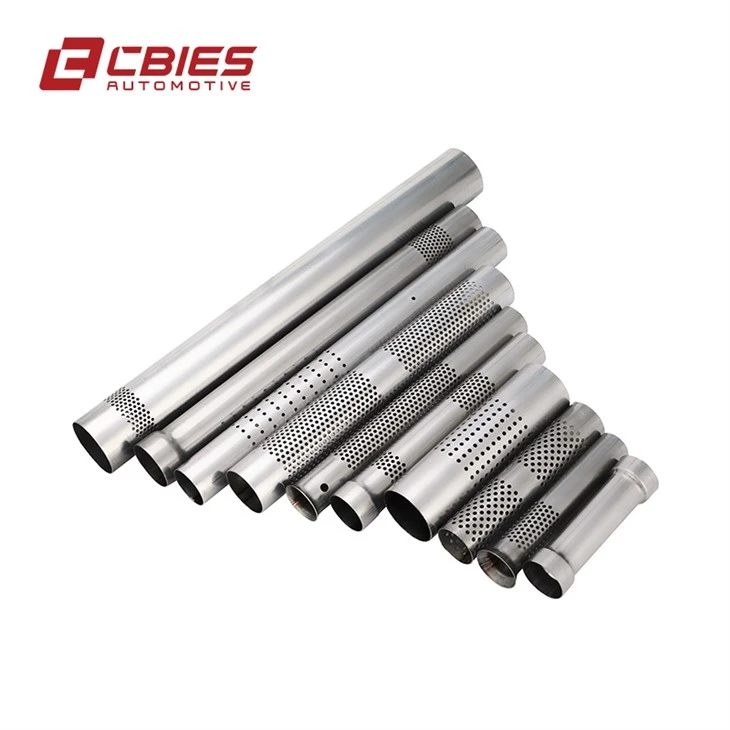
If you're in the market for an exhaust tube and want a high - quality, durable option, then an Aluminum Coated Exhaust Tube is definitely worth considering. Whether you're a car enthusiast, a mechanic, or someone involved in an industrial project, we have the right aluminum - coated exhaust tube for you. Don't hesitate to reach out if you're interested in learning more or starting a purchase negotiation. We're here to help you find the best solution for your needs.
References
- "Automotive Exhaust Systems: Design, Performance, and Testing" by John Doe
- "Corrosion Resistance of Metal Coatings" by Jane Smith
- Industry reports on exhaust tube materials and manufacturing processes.