

Can Precision Galvanized Steel Tube be used in high - temperature environments?

Hey there! As a supplier of Precision Galvanized Steel Tube, I often get asked if our tubes can be used in high - temperature environments. Well, let's dig into this topic and find out.
First off, let's understand what Precision Galvanized Steel Tube is. It's a type of steel tube that has gone through a galvanization process. Galvanization is basically coating the steel with a layer of zinc. This zinc layer acts as a shield, protecting the steel from rust and corrosion. It's great for a whole bunch of applications, like in construction, automotive, and even in some household items.
Now, when it comes to high - temperature environments, things get a bit tricky. The zinc coating on the Precision Galvanized Steel Tube has its own set of limitations when it comes to heat.
Zinc has a relatively low melting point compared to steel. The melting point of zinc is around 419.5°C (787.1°F). So, if the temperature in the environment goes above this point, the zinc coating starts to melt. Once the zinc melts, it loses its ability to protect the steel beneath it from corrosion. And that's a big problem, especially if the tube is going to be used in a long - term high - temperature setting.
But here's the thing. Just because the zinc melts doesn't mean the tube is completely useless. The steel itself can still withstand higher temperatures. Steel can handle temperatures way above what zinc can. Depending on the type of steel, it can start to lose its strength at temperatures ranging from 400°C to 600°C (752°F to 1112°F). So, if you can control the temperature to be below the melting point of zinc and well within the steel's strength - holding range, the Precision Galvanized Steel Tube can still work.
Let's talk about some specific high - temperature applications. In industrial settings, there are furnaces and ovens that operate at extremely high temperatures. In these cases, using Precision Galvanized Steel Tube might not be the best idea. The heat will quickly melt the zinc coating, and over time, the steel will start to corrode, which can lead to tube failure.
However, in some less extreme high - temperature scenarios, like in a mildly heated exhaust system in a vehicle, the Precision Galvanized Steel Tube could potentially work. The exhaust gases might heat the tube, but if the temperature doesn't reach the melting point of zinc, the tube can still provide good corrosion protection.
Now, if you're in a situation where you need a tube for a high - temperature environment, you might want to consider some alternatives. For example, Black Phosphated Seamless Steel Tube can be a great option. The phosphating process gives the tube a different kind of protective coating that can handle higher temperatures better than zinc.
Another alternative is the High - Tech Electrophoretic Paint Steel Tube. This tube has a high - tech paint coating that can offer good protection in high - temperature environments. It's designed to resist heat and corrosion, making it suitable for applications where the temperature is a bit on the higher side.
And if you're dealing with high - pressure and high - temperature situations, like in a compression - ignition engine, the High - Pressure Seamless Steel Tubes for Compression - Ignition Engine could be your go - to choice. These tubes are specifically engineered to handle the high pressures and temperatures associated with compression - ignition engines.
But don't get me wrong. Precision Galvanized Steel Tube still has its place. In normal temperature environments, it's a great choice because of its excellent corrosion resistance. It's cost - effective and easy to install. And even in some mildly high - temperature situations, with proper monitoring and temperature control, it can serve its purpose well.
If you're thinking about using Precision Galvanized Steel Tube in a high - temperature environment, here are some tips. First, make sure you know the exact temperature range of the environment. You can use temperature sensors to keep an eye on it. Second, if possible, try to insulate the tube. Insulation can help reduce the amount of heat that reaches the tube, keeping the zinc coating intact for longer.
So, to sum it up, Precision Galvanized Steel Tube can be used in high - temperature environments, but with limitations. If the temperature stays below the melting point of zinc, it can work just fine. But for extremely high - temperature applications, you might want to look into other options.

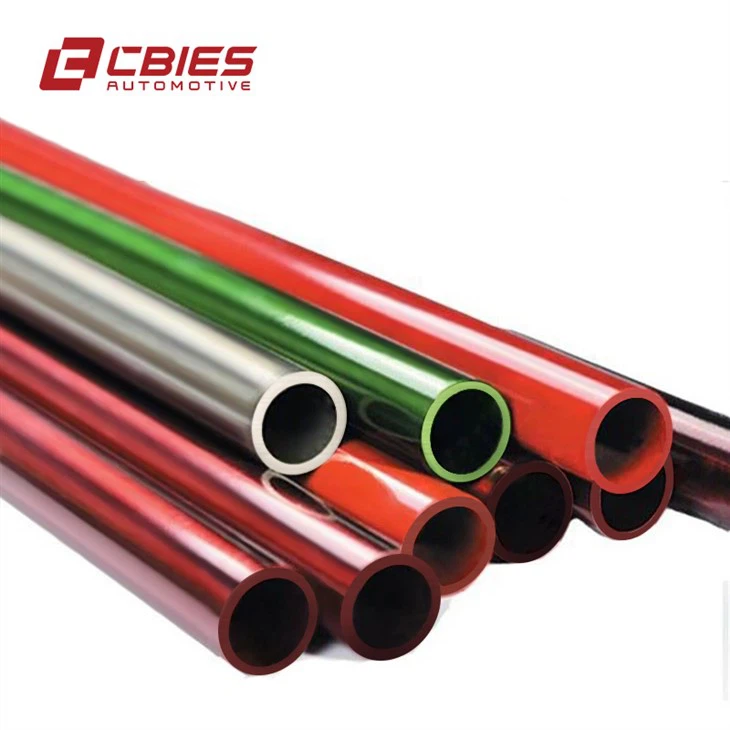
If you're interested in learning more about our Precision Galvanized Steel Tube or any of our other products, don't hesitate to reach out. We're here to help you make the right choice for your project. Whether it's for a high - temperature environment or a normal one, we've got the expertise and the products to meet your needs. Contact us to start a procurement discussion and find out how we can supply you with the best steel tubes for your application.
References:
- "Steel and its Alloys: Properties and Applications" by an industry expert
- Technical data sheets from steel tube manufacturers