

Are high strength door impact beams tested for durability?

Hey there! I'm a supplier of High Strength Door Impact Beams, and today I want to dig into a question that's on a lot of people's minds: Are high strength door impact beams tested for durability?
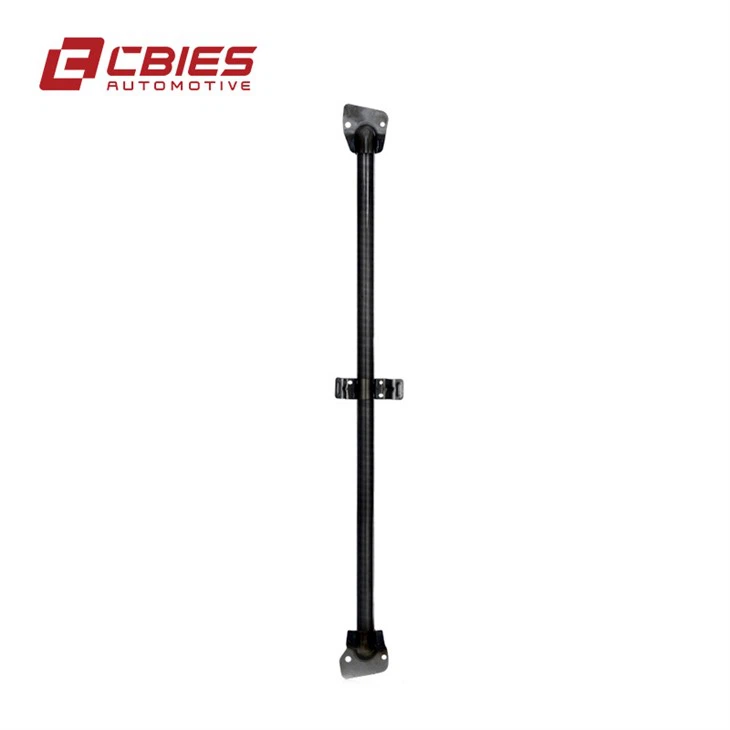
First off, let's talk about what high strength door impact beams are. These are crucial components in modern cars. They're installed inside the car doors and play a key role in protecting passengers during side - impact collisions. When another vehicle hits your car from the side, these beams absorb and distribute the impact energy, reducing the force transferred to the passengers.
Now, durability testing is a must - have in the automotive industry. Car manufacturers can't just slap these beams into doors without making sure they'll hold up over time. As a supplier, I know firsthand how rigorous the testing process is.
There are several types of durability tests that high strength door impact beams go through. One of the most common is the fatigue test. This test simulates the repeated stresses that the beam will experience over the life of the vehicle. Just like how your favorite pair of shoes will eventually wear out after lots of walking, a door impact beam needs to withstand countless small impacts and vibrations during normal driving.
In a fatigue test, the beam is subjected to cyclic loading. This means that a certain amount of force is applied to the beam over and over again. The test can run for thousands or even millions of cycles, depending on the manufacturer's requirements. For example, if a car is expected to last for 15 years and drive an average of 15,000 miles per year, the door impact beam needs to be able to handle all the bumps, jolts, and minor impacts it will encounter during that time.

Another important test is the corrosion test. Cars are exposed to all sorts of weather conditions, from rain and snow to road salt. These elements can cause corrosion, which weakens the beam over time. To test for corrosion resistance, the beams are placed in special chambers where they're sprayed with saltwater or other corrosive substances. The beams are then monitored for signs of rust and degradation. If a beam fails this test, it won't be able to provide the necessary protection in a real - world collision.
Let's also talk about the impact test. This is the most dramatic of all the tests. In an impact test, a high - speed pendulum or a moving barrier is used to simulate a side - impact collision. The beam is installed in a mock - up of a car door, and the impact is delivered at a specific speed and angle. Sensors are placed on the beam and the surrounding structure to measure the force of the impact and how the beam responds.
The results of these tests are used to make sure that the beam meets the safety standards set by regulatory bodies such as the National Highway Traffic Safety Administration (NHTSA) in the United States. These standards are in place to ensure that cars are as safe as possible for passengers.
As a supplier, I work closely with car manufacturers to make sure that our high strength door impact beams meet or exceed these standards. We use the latest technology and materials to improve the durability and performance of our products. For instance, we often use advanced high - strength steels like BR1500HS. This steel has excellent strength - to - weight ratio, which means that it can provide high - level protection without adding too much weight to the vehicle. You can learn more about BR1500HS Side Impact Beam.
The automotive industry is constantly evolving, and so are the testing methods for door impact beams. New technologies are being developed to make the tests more accurate and efficient. For example, computer - aided simulation is becoming more and more popular. Instead of relying solely on physical tests, engineers can use software to simulate different types of collisions and predict how the beam will perform. This allows for faster development cycles and more cost - effective testing.
But it's not just about passing the tests. We also focus on continuous improvement. We're always looking for ways to make our beams stronger, more durable, and more cost - effective. By using better materials and manufacturing processes, we can offer our customers a product that not only meets safety standards but also provides long - term reliability.
If you're in the market for high - quality Car Door Impact Beam or Side Impact Beams, you can count on us. Our products are rigorously tested for durability, and we're committed to providing the best solutions for your automotive needs. Whether you're a car manufacturer looking for reliable components or a distributor in search of high - quality products, we'd love to have a chat with you about your requirements.
In conclusion, high strength door impact beams are definitely tested for durability. The automotive industry takes safety seriously, and these tests are a crucial part of ensuring that passengers are protected in the event of a side - impact collision. As a supplier, we're proud to be part of this process and to contribute to the safety of vehicles on the road.
References
- Automotive Testing Technology International
- SAE International publications on automotive safety
- NHTSA safety standards and reports